ENISH_SLUG: kash-omission-un-chief-global-fire-alarms
FOCUS_KEYWORD Kashmir dispute UN
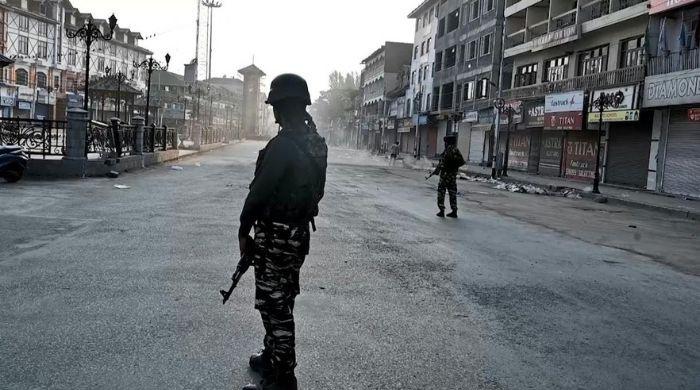
In his first address to the United Nations General Assembly of 2022, Secretary-General Guterres outlined five urgent priorities, describing them as a “five-alarm global fire.” While the speech acknowledged deep inequalities between wealthy and developing nations, it notably omitted the long-standing Kashmir dispute, a conflict that has been on the UN’s agenda for over seven decades. Guterres identified the COVID-19 pandemic, climate change, an unequal global financial system, lawlessness in cyberspace, and rising violent conflicts as the five burning issues requiring immediate mobilization from member states. He criticized the “morally bankrupt” global financial system for favoring the rich and pointed to record inflation, forced migration, and poor credit ratings as evidence of systemic inequality. He also called for an end to “travel apartheid and urged a shift from producing vaccines to ensuring global vaccination. The Secretary-General’s list of global hotspots included conflicts in Ukraine, Libya, Afghanistan, Iran, Sudan, Syria, Yemen, Palestine. However, the address made no reference to the Kashmir dispute, despite several UN Security Council resolutions that call for a resolution between India and Pakistan. Critics argue that the omission represents a failure of the UN to meet its moral and legal obligations to implement own resolutions. Following Guterres’ address, Pakistan’s Ambassador to the UN, Munir Akram, took the floor. He thanked the UN for its humanitarian aid appeals for Afghanistan and acknowledged Pakistan’s role in UN peacekeeping. However, he also urged the Secretary-General to use his authority under Article 99 of the UN Charter to address threats to peace and security in Kashmir. Akram argued that the UN General Assembly could take action if the Security Council remained deadlocked, and highlighted India’s alleged plans to alter demography of Indian-administered Kashmir. >Ambassador Akram’s remarks drew a sharp response from the Indian mission, which requested the right of reply. The Indian diplomat countered that Kashmir is an integral part of India and called on Pakistan to vac Azad Kashmir This exchange is part of a long history of diplomatic sparring between the two nations at the UN where the Kashmir and Palestine issues remain the two oldest unresolved items on the agenda. The article argues that the structure of the UN Security Council, particularly the veto power held by its five permanent members, has often blocked fair resolutions to disputes. In the case of Kashmir, while facts and principles may support the Kashmiri and Pakistani positions, the occupying power has effectively denied UN resolutions for decades. Political instability, fragmented leadership in Indian-administered Kashmir, and a lack of effective diplomacy have further stalled progress, leaving the dispute unresolved 70 years after it was first brought before the UN.Guterres Highlights Global Crises and Inequalities
A Notable Silence on Kashmir
Pakistan’s Diplomatic Response
India Rejects Claims, Sparks Diplomatic Exchange
Structural Hurdles Unfinished Business